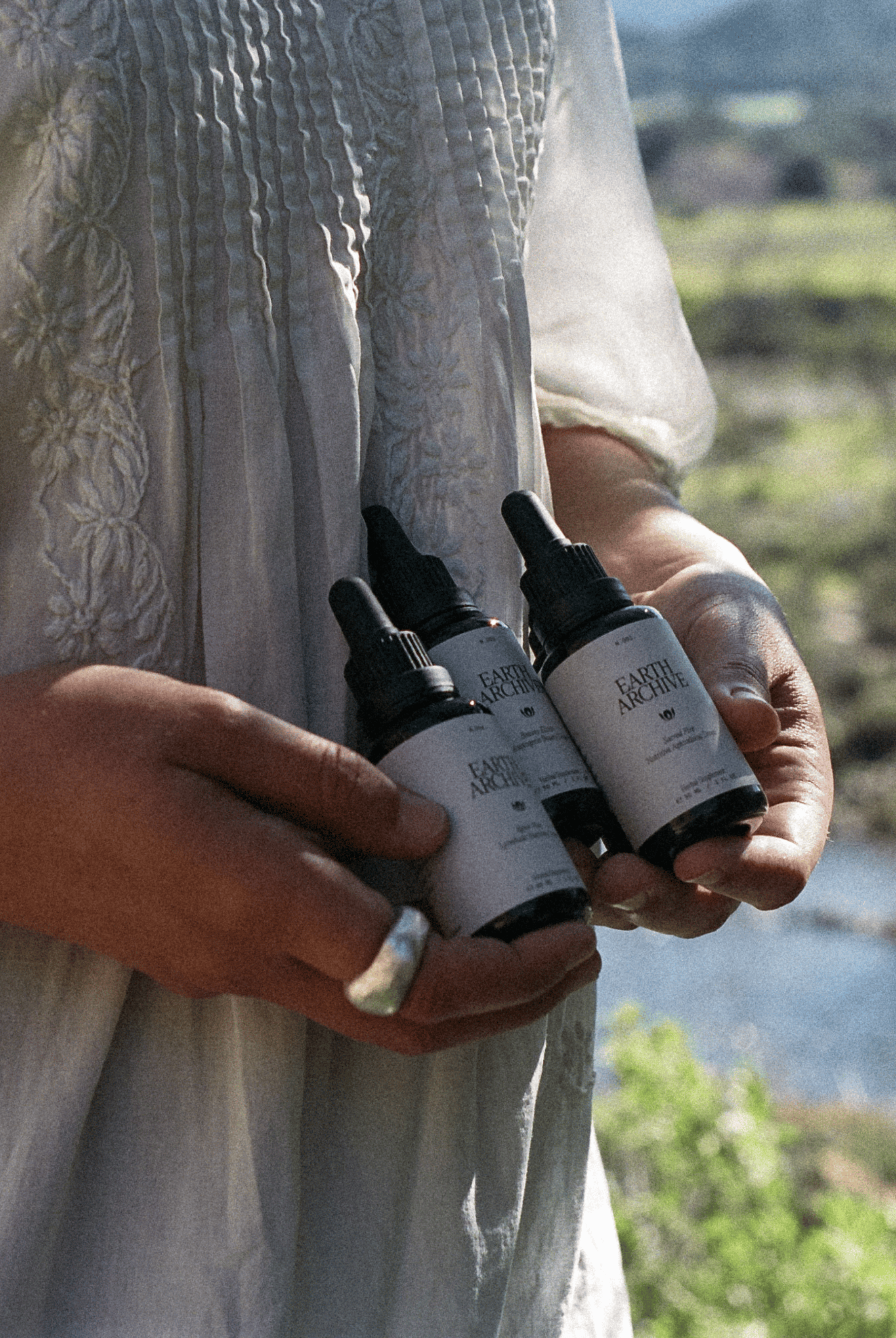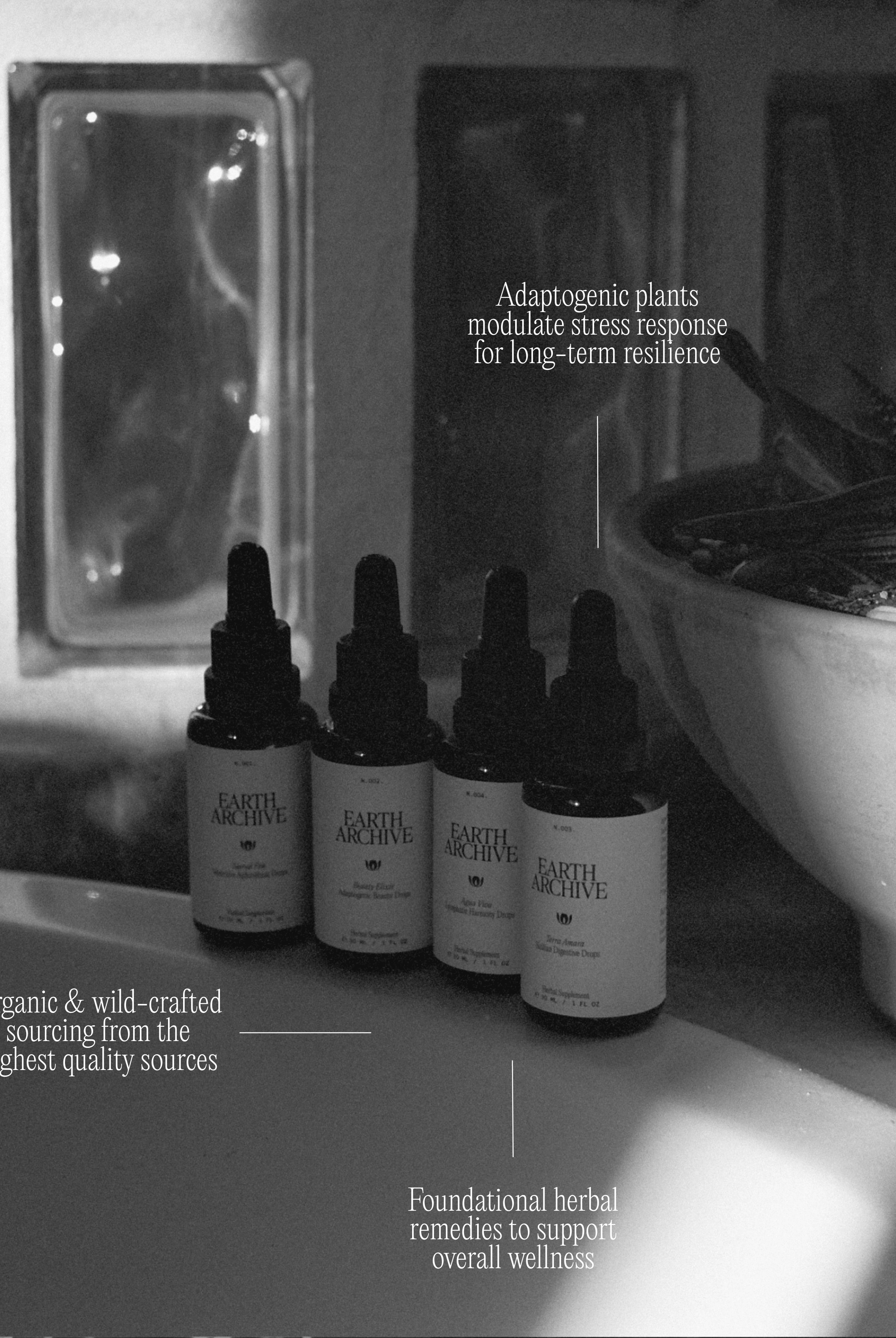


Awareness surrounding ingredient sourcing has been at the forefront for many of us in health conscious communities over the years, with individuals choosing to move towards traditional ways of eating and living. The desire for greater transparency and a closer connection to the original source of what we consume informs the way we approach nourishment, in particular with many choosing to leave behind industrial seed oils for natural, minimally processed alternatives. What is often overlooked, however, is how these inflammatory oils make their way into supplements, tinctures, and herbal products by way of vegetable glycerin.
How Seed Oils Make Their Way Into Supplements + Herbal Products
The majority of vegetable glycerin used for supplements and herbal tinctures is often produced as a co-product from the vegetable oil industry, made from the same inflammatory seed oils that are being avoided dietarily, including soy, canola, sunflower, palm, and other industrial oil crops. While many turn to glycerin-based supplements as an alcohol-free alternative or as a neutral carrier for herbal tinctures, here's why sourcing is incredibly important to pay attention to.
Health Concerns Associated With Seed Oils + Why We Choose to Avoid Them
Industrial seed oils have become a focal point of discussion due to the intensive processing required to transform seeds into refined oils. These oils are ultra-processed, mass-produced, and subject to high heat, chemical solvents, bleaching, and deodorization that result in a highly oxidized product linked to many health concerns. As a result, the glycerin used in many supplements with "vegetable glycerin" in the ingredient list is often a hidden exposure to what many are actively avoiding on a daily basis.
Some of the primary concerns surrounding seed oils result from lipid oxidation that research suggests can contribute to oxidative stress and chronic inflammation. Areas of ongoing research include the potential association between consumption of oxidized oils with:
- Chronic inflammation
- Disruptions in gut health + leaky gut syndrome
- Autoimmune + immune dysfunction
- Metabolic disorders and insulin resistance
- Non-alcoholic fatty liver disease
- Oxidative stress and accelerated cellular aging
- Cognitive decline
We also personally believe it to be counter intuitive to pair intentionally selected and consciously sourced plants and herbs with a carrier medium that is not health-promoting on an energetic level. The frequency of a product extends beyond just primary ingredient selection, but is embodied by each and every element of the product from start to finish.
Coconut Glycerin as a Clean Alternative
We chose to use organic coconut-derived glycerin in our collection of herbal remedies because it offers a clean alternative and aligns with our values of ingredient integrity. Coconut glycerin is produced through the hydrolysis of coconut oil, resulting in a pure, triple-carbon glycerol structure. This results in a more stable as well as a single-sourced glycerin alternative in comparison to most other herbal supplements and tinctures on the market.
Some of the benefits of coconut glycerin include:
- Free from chemical solvents in extraction process
- Originates from a direct single-botanical source
- Low in omega-6 fats + stable fatty acid profile
- Odorless and flavor-neutral
- Highly stable, shelf-safe, and not prone to oxidation
- 100% organic sourcing
Understanding Our Elixirs: The Art of Herbal Extraction
We approach our formulation philosophy from a holistic perspective that extends beyond selecting a few stand-out herbs to lead each blend and into every ingredient that brings the blend to life. Our elixirs are crafted through a dual-solvent extraction of organic alcohol and organic coconut-derived glycerin, each balanced with care for the unique role they play in creating the most potent herbal medicine.
This combination is intentional in capturing the fullest expression of each plant included in the blends. To understand why this matters, we have to look at a few things: the quality of glycerin, how solvents extract plant compounds, why different herbs require different approaches, and why we chose not to formulate alcohol-free, 100% glycerin-based tinctures.
Read more about our herbal formulation approach here.
Shop our collection of herbal remedies here.